Analita Candaten and Marissônia Daltoé
Brasilia: CSEM, 2013
In the context of research into international migration, analyses from a gender perspective - particularly those focused on women migrants - have been systematically gaining more ground in the academic and political debate. The increased participation of women as the main protagonists of international migratory flows is something that draws attention quantitatively, but, on the other hand, the contribution that qualitative analysis of this type of migration brings is significant, since it suggests a wide range of social implications, due to the historical centrality that the figure of women has in the family and community nucleus.
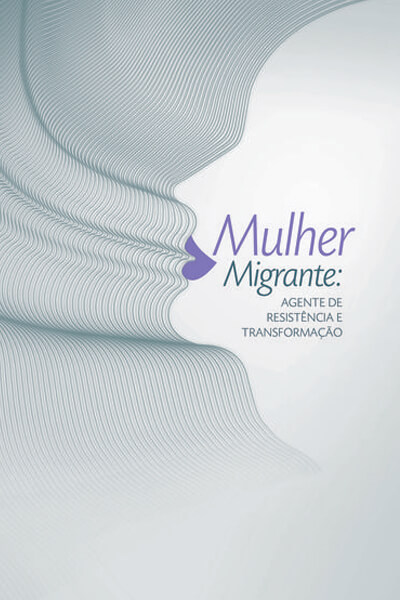
It is in this context that we present the research “Migrant women: agents of resistance and transformation”, which aims to identify the difficulties faced by migrant women when they settle in other countries. It also seeks to understand the strategies they develop to overcome the various difficulties they encounter while living in another country, which we call resistance. It is known that these difficulties change during the process, which is why we seek to orient our reflections in a way that is contextualized to the conditions of the country of origin and destination.